Discover Sustainable Wooden Charcuterie Boards
- Tim Gauntt
- Jul 11, 2025
- 4 min read

In the age of sustainability, crafting an eco-friendly lifestyle is increasingly important. Among the many products that symbolize this commitment to nature, wooden charcuterie boards stand out. Not only do they offer a stylish way to present meats and cheeses, but they also reflect a commitment to sustainability when sourced properly. This blog post will guide you through the benefits of choosing sustainable wooden boards, tips for selecting the right one, and even how to set up your ideal charcuterie display.
Eco-Friendly Wooden Boards
Choosing an eco-friendly wooden board involves more than just aesthetics. Sustainable wooden boards are often made from responsibly sourced timber, which ensures that the environment is preserved. When wooden boards are harvested with care, it promotes regenerative forestry practices that maintain ecological balance.
Why Choose Sustainable Materials?
When selecting benefits for sustainability, the conversation often turns to eco-friendly materials. According to a report by the World Wildlife Fund (WWF), sustainable forestry practices help in preserving the Earth’s biodiversity and combat climate change. Moreover, selecting products made from sustainable materials can significantly decrease your carbon footprint. A simple switch to eco-friendly wooden boards can contribute to a more sustainable lifestyle.

In addition, many sustainable wooden board manufacturers focus on minimal waste in their production processes. They often use reclaimed wood, which reduces the demand for new tree harvesting. Lastly, by investing in a quality handmade wooden charcuterie board, you’re not only supporting artisans but also ensuring that you’ll have a durable product for years to come.
Aesthetic Appeal and Practicality
Eco-friendly wooden boards are not just responsible choices; they also add aesthetic value to your home. The natural grain of the wood, combined with its warm tones, can complement any kitchen or dining space. Unique patterns and textures found in sustainable wood can serve as conversation starters when entertaining guests.
Beyond aesthetics, wooden boards offer practicality in food preparation and serving. Unlike plastic boards that can harbor bacteria, wood has natural antimicrobial properties. According to a study from the University of California, Berkeley, wooden boards tend to be healthier for food preparation because they are less likely to absorb harmful bacteria.

On top of this, wooden boards are versatile. They can serve as a cutting board, a serving platter, or even a decorative piece. Whether you’re preparing a meal or entertaining guests, having a sustainable wooden board on hand elevates the experience.
What is the 3-3-3 Rule for Charcuterie Boards?
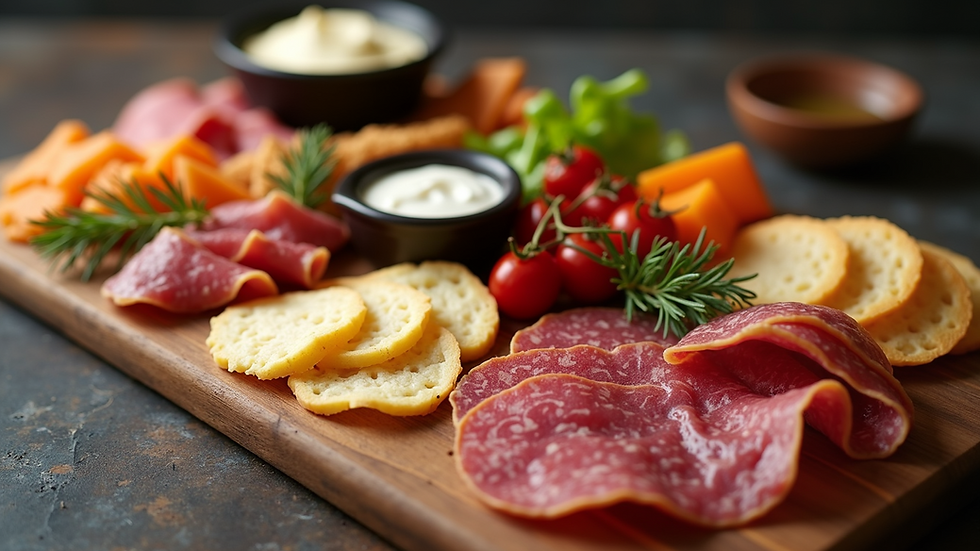
The 3-3-3 rule is a simple guideline that helps you curate a well-rounded charcuterie board. This rule focuses on variety and balance. Here's how it works:
Three Types of Cheese: Choose a variety of textures and flavors. Consider selecting a soft cheese (like brie), a harder cheese (like cheddar), and a blue cheese. This diversity provides a rich tasting experience.
Three Types of Meat: Include a mix of cured meats. Salami, prosciutto, and smoked turkey are popular options that can cater to different palates.
Three Types of Accompaniments: This category provides the perfect complement to your meats and cheeses. Options include fresh fruits, nuts, olives, and a choice of spreads. These elements can elevate the flavors and aesthetics of your board.
Following the 3-3-3 rule ensures that your wooden charcuterie board is not only delicious but also visually appealing. Adopt this guideline the next time you prepare a gathering, and watch your guests delight in the variety!
Tips for Selecting the Perfect Sustainable Wooden Board
When searching for the perfect eco-friendly wooden board, consider the following tips:
Look for Certifications: Check for certifications such as the Forest Stewardship Council (FSC) label. This certification indicates that the wood is sourced from responsibly managed forests.
Choose Hardwoods: Opt for hardwoods like maple or walnut, which are more durable and less porous than softer woods. This quality makes them better suited for food preparation.
Handcrafted Options: Handmade wooden boards often come with unique designs and craftsmanship. Supporting local artisans contributes to sustainable practices as well.
Maintenance: Choose a board that comes with care instructions. Sustainable wooden boards often require minimal upkeep, but knowing how to keep them pristine extends their lifespan.
Size and Shape: Consider the events you will use it for. Rectangular boards are versatile for larger gatherings, while round boards can be more decorative.
By selecting a sustainable wooden board, you're making a statement—not just about your taste in home decor, but also about your values. Each time you use it, you're fostering a culture of sustainability.
Elevate Your Dining Experience with Sustainable Practices
Integrating sustainable wooden charcuterie boards into your dining experience goes beyond just aesthetics. It’s about setting a tone for your life, promoting wellness, and increasing awareness around sustainability. Here are a few final tips for creating delightful dining experiences with your eco-friendly boards:
Pair Local with Global: Combine locally sourced ingredients with international options. For example, pair a local goat cheese with Italian meats or Mediterranean olives. The combination showcases variety and supports local producers.
Enhance with Seasonal Fruits: Incorporating seasonal fruits not only adds color but also freshness. Consider using berries in spring or figs in fall. This approach brings earth to the table and emphasizes what is readily available in your region.
Create a Theme: Instill a theme into your charcuterie styling. Consider seasonal holidays or cultures around the world. Crafting themes can transform your simple board into a story.
Educate Guests: Use your charcuterie board as a conversation starter. Discuss the sustainability aspect behind your choices—where the ingredients come from, and how they align with a commitment to the planet.
By adopting these tips, you can create an inviting atmosphere while prioritizing sustainability. Elevate your gatherings with elegance and purpose.
Whether you are hosting a gathering or enjoying a quiet evening at home, a beautifully crafted eco-friendly wooden charcuterie board is an excellent choice. Investing in items that promote sustainability reflects your values while enjoying life’s simple pleasures. So why not choose a sustainable wooden board today?
Wooden charcuterie boards can make a real difference—not just in your dining experience, but in encouraging a lifestyle of sustainability that benefits our planet for generations to come.
Comments